The dangers of cancelling your comprehensive insurance
Posted: 24 Oct 2025
|
Author: Reuben van Niekerk
|
3min read
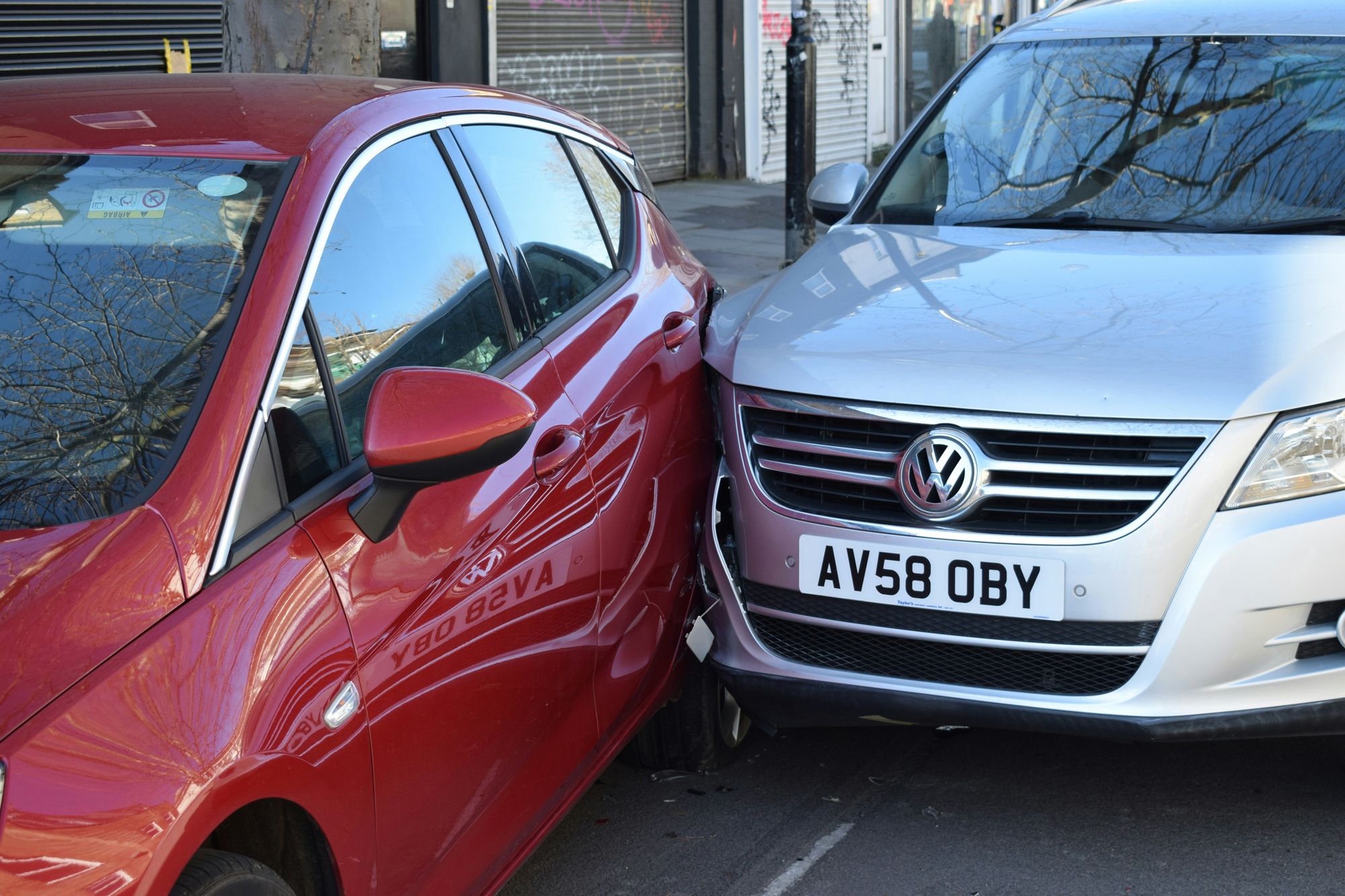
While insurance is not law, when a motorist buys a vehicle by finance, leasing or GFV deal they enter into an agreement with the financing institution that includes a variety of provisions to which they need to adhere.
While insurance is not law, when a motorist buys a vehicle by finance, leasing or GFV deal they enter into an agreement with the financing institution that includes a variety of provisions to which they need to adhere.
In South Africa having vehicle insurance is not mandated by law and the result is that South African roads are littered with uninsured vehicles. Between 65 and 70 percent of the vehicles in South Africa, are not covered by any insurance at all. This shows a lack of appreciation for the importance of protecting what is arguably one of the most expensive assets and an economic enabler for many.
While insurance is not law, when a motorist buys a vehicle by finance, leasing or GFV deal they will enter into an agreement with the financing institution that includes a variety of provisions to which they need to adhere.
These provisions include things like ensuring that the car is well maintained and kept in a roadworthy condition. One of the main provisions is that motorists need to have comprehensive insurance in place for the duration of the finance agreement.
Why is comprehensive insurance important?
Motorists need to remember that the financing institution owns the vehicle until the last payment of the financing agreement has been paid and they require you to look after the vehicle in order to maintain its value.
Comprehensive insurance covers the motorist and the financial institution for any loss via theft or fire, or accident damage to the vehicle and in this way it protects the value of the asset in line with normal depreciation rates. If a motorist has no insurance in place they will need to cover the cost of any repairs out of their own pocket.
With only 30 -35% of the cars on our roads insured, the chance of your car being damaged by another vehicle that is not insured, leaving you to sort out your own car, is very likely. Comprehensive insurance covers motorists whether the damage was their fault or if the damage was as a result of another driver or third party.
However, in an effort to reduce monthly expenses, many car buyers elect to cancel their comprehensive insurance policy shortly after taking delivery of their financed vehicle.
This practice carries significant financial and contractual risks.
The consequences of cancelling your insurance
Cancelling your insurance policy constitutes a breach of the finance contract. The implications of this breach are severe and could leave the car owner in a precarious financial position.
If the uninsured vehicle is stolen, hijacked or damaged beyond repair, the car owner remains fully liable for the outstanding debt to the finance provider. They will be forced to continue paying monthly instalments for a vehicle they no longer possess or are no longer able to drive.
Vehicle finance providers are legally entitled to ensure compliance and they may initiate regular checks to verify the existence of a valid comprehensive insurance policy.
If a customer cannot provide proof of insurance, the financier may be forced to institute a limited insurance cover to protect their interest against total loss. The premium for this cover will be debited to the customer’s account or added to the monthly instalment.
Comprehensive insurance is a non-negotiable safety net. When a vehicle is financed, it’s compulsory to maintain comprehensive cover, as stipulated by the finance contract and supported by the National Credit Act.
In a challenging economic climate, the temptation to cut costs is understandable, but insurance should not be the item to sacrifice. Cancelling insurance, particularly during tough times, is a short-term saving tactic that can result in a catastrophic, long-term debt burden. Should the worst happen, the buyer remains liable for the full loan settlement on a vehicle they are no longer in possession of or which is no longer driveable.