Debunking common vehicle security misconceptions
Posted: 24 Feb 2026
|
Author: Reuben van Niekerk
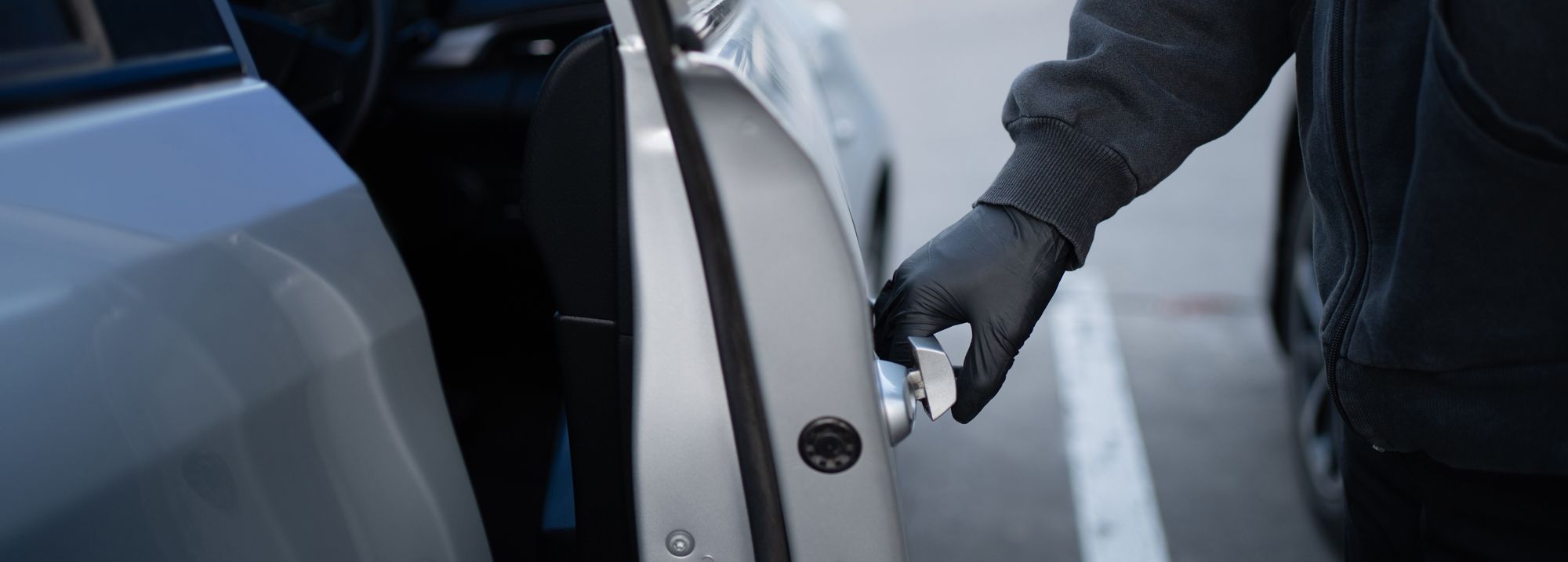
Motorists need to be aware of exposing themselves to unnecessary risk due to common misconceptions around vehicle security.
Motorists need to be aware of exposing themselves to unnecessary risk due to common misconceptions around vehicle security.
A vehicle is one of the most expensive items that South Africans will ever buy and the mobility that owning a vehicle offers allows motorists to commute to work, family and loved ones. Unfortunately potential vehicle theft is a part of owning a vehicle in South Africa and motorists need to implement certain measures to protect their precious vehicle from criminal elements.
However motorists also need to be aware of exposing themselves to unnecessary risk due to common misconceptions around vehicle security. Are you and your vehicle more susceptible to theft due to these five misconceptions?
Key cloning is a myth
Gone are the days of vehicles being stolen by jamming a screwdriver in the lock or ignition. Modern vehicles utilise sophisticated electronic keys but that doesn't mean they are safe from criminals.
Modern vehicle keys, both those with regular keys or keyless systems contain electronics that transmit a unique signal that is required to unlock or start the car. By using electronic signal grabbers or duplicators thieves can intercept and extend the signal from the key fob, allowing them to unlock the doors and start the car, even when the owner and key are far away from the vehicle.
Motorists can avoid these tactics by keeping their keys in an electronic protection pouch, also known as a Faraday pouch, when in restaurants or shopping malls. These electronic protection pouches will prevent criminals from accessing the signal that the key sends and then copying or boosting that signal to start the car.
When at home try keep your car key as far as possible from your vehicle. Avoid storing keys in areas such as the garage or entrance hall, which might be close enough to the road for the thieves to be able to pick up the signal from outside your property.
Additional security will void your warranty
A big misconception is that adding additional security measures can impact the warranty of your vehicle. When shopping for a new vehicle, it is important to enquire what security features it has fitted as standard and what is available from the options catalogue. These solutions can be a great barrier of defence.
Possible options include systems with owner authorisation tags, engine-locking relays and two factor verification as well physical deterrents such as gear locks and external steering wheel locks.
It is important to note that the common belief that installing third-party security systems will void your vehicles warranty is a myth as your warranty will remain intact as long as these installations are completed by authorised fitment centres.
A standard siren is enough to deter thieves
Factory sirens are passive defence mechanisms that passersby often ignore. Relying solely on a standard alarm may prove insufficient, you could be indoors, out of range or unable to respond quickly enough.
A better option is a defence suite with a GSM module that maintains a constant connection to a secure server. Any unauthorised activity such as impact, vehicle tilting or door opening will trigger an immediate push notification to your phone. If thieves attempt to use a signal jammer, the system will detect the communication loss and instantly trigger an offline alarm.
Certain OEMs offer this functionality through their own app, which can then send alerts as described to the owner if the vehicle is unlocked or changes location and it is worth configuring these systems accordingly, if it is a function that your vehicle has built in.
A tracking device is sufficient
Effective vehicle security focuses on prevention rather than post-theft tracking. This is due to a variety of reasons. The effectivity of vehicle tracking devices depends on a variety of factors including how effective these companies are at actually tracking the vehicles’ location and then recovering the vehicle. Criminals are aware of tracking devices and will quickly dismantle a vehicle in order to locate the tracking module and dispose of it, rendering it useless.
Insurance is only for vehicles that are financed
Financial institutions will mandate comprehensive insurance as part of the finance agreement in order to protect the asset against loss from fire, theft or serious damage. However many motorists cancel this policy once they have taken delivery of the vehicle or once their vehicle is paid off.
This is a very dangerous thing to do for a variety of reasons. Firstly, a very low percentage of vehicles on South Africa’s roads are insured, this means that if you are in an accident, even if it is not your fault, you will most probably need to cover your own
repairs. Secondly, if you don't have insurance and your vehicle is stolen or damaged beyond repair, you will lose that vehicle. If the vehicle is financed and this happens, you will still be liable for the outstanding loan amount.
Insurance is the only way to protect your asset from loss via theft. In basic terms, comprehensive insurance will replace your vehicle with a similar model or pay you the replacement value of your vehicle should it be stolen or written off in an accident.