Common mistakes that can shorten your car’s lifespan
Posted: 22 Jan 2026
|
Author: Reuben van Niekerk
|
5min read
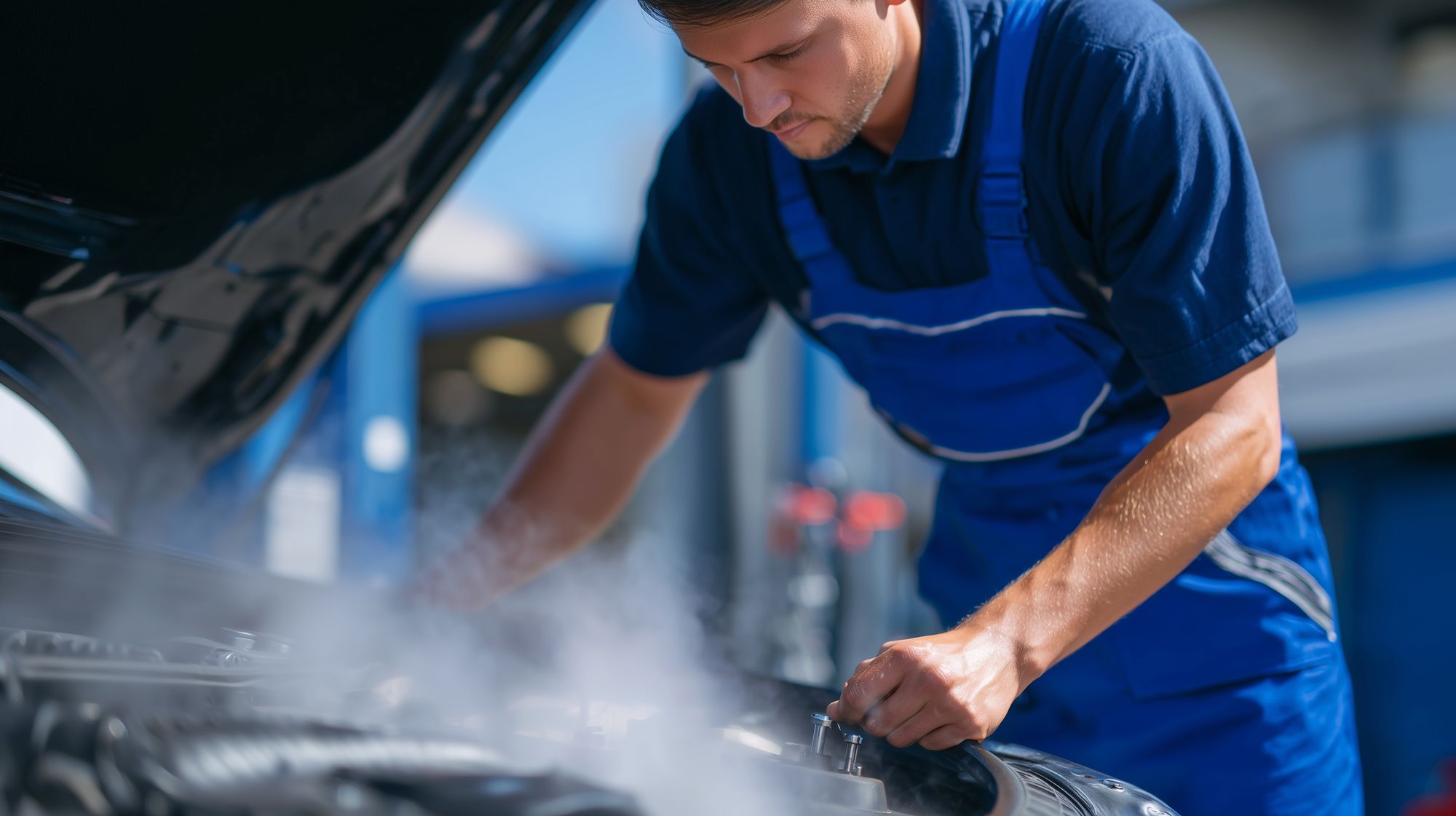
These factors are some of the common mistakes that motorists make and which could contribute to shortening the lifespan of their vehicle and affecting its value.
These factors are some of the common mistakes that motorists make and which could contribute to shortening the lifespan of their vehicle and affecting its value.
A car is a significant investment and it is important to properly care for your car in order to ensure that it remains reliable throughout its lifespan. Proper maintenance is also crucial for maintaining your vehicles value and ensuring a competitive resale value when the time does come to sell or trade it in one day.
While modern cars are extremely robust and reliable, poor maintenance and bad driving habits can accelerate their deterioration and significantly shorten their lifespan. The factors listed below are some of the common mistakes that motorists make which could contribute to shortening the lifespan of their vehicle and affecting its value.
Not sticking to the manufacturers servicing schedule
Vehicle manufacturers prescribe the routine service intervals of your vehicle and what needs to be looked at during each of these services. Service intervals are normally around 1-year or 15 000km, whichever is reached first.
Routine servicing is premature maintenance and motorists should avoid skipping a service because they feel that there is nothing wrong with their car, especially in the first few years of ownership.
These scheduled services will include the changing of your vehicles oil, filters and other service items as prescribed by the manufacturer. Delaying servicing can lead to premature engine wear and further damage.
If your vehicle is under warranty and you skip a service, you could also risk losing your warranty cover.
Skipping oil changes
A core part of vehicle servicing is changing the oil that lubricates your engine. Modern engines are designed to extremely tight tolerances in order to extract maximum performance and efficiency from their reduced capacity, making the oil that lubricates these components more critical than ever. Your cars engine oil is the lifeblood of the car
and skipping oil services or using incorrect grade or inferior products can lead to sludge build-up, overheating, premature wear and turbocharger damage.
In addition, if your vehicle requires a top up of oil between services, avoid filling it up with oil from a forecourt. Rather contact your dealer to ensure that you top it up with the correct brand and viscosity of oil as mixing different oils is also not a good idea.
Ignoring dashboard warning lights
Modern cars are extremely high tech and will alert the driver to any faults that need attending to via a light on the dashboard or an error message. Disregarding these warning lights is one of the costliest mistakes that a vehicle owner can make as they can result in major engine or gearbox failure or compromise braking or safety systems. As a general rule of thumb a red light means that you should stop driving the car immediately and contact your local dealer while an orange light means that you can still keep driving but that you should contact your dealer at the first possible opportunity.
Utilising cheaper, non-franchised, workshops
When it comes to having your vehicle serviced or repaired cheaper is not always better. Cash sensitive motorists might be tempted to have their vehicles serviced at standalone workshops using generic parts as opposed to at the franchised dealer. However these independent workshops often lack the tools or expertise to correctly work on modern, electronically controlled systems.
While the cost might be slightly more, it is important to remember that workshop staff at the manufacturers franchised dealership are specially trained to work on your make and model of vehicle. They will use OEM parts ensuring that your vehicle is serviced exactly as it needs to be and keeps running as it did when it rolled off the factory floor.
Driving aggressively from a cold start
Revving a vehicle excessively when the engine is cold can be extremely damaging. Cold oil does not lubricate effectively which can lead to chain stretch, piston ring wear and turbocharger issues. Give your engine a few minutes to get up to operating temperature before increasing speed.
Riding your foot on the clutch and creeping
Most gearbox failures are caused by the driver. Habits such as resting your foot on the clutch or loading the clutch on an incline can cause unnecessary friction and overheating. Similarly in vehicles equipped with a dual clutch automatic transmission, creeping slowly when in traffic or on an incline can have the same detrimental effect as riding the clutch.
Incorrect tyre pressures
Incorrectly inflated tyres, either under or over inflated and poor wheel alignment affect more than just tyres, they put strain on suspension or steering components, wheel
bearings and CV joints. Checking tyre pressures once a month will only take a few minutes but can save you thousands of rands in the long run.
Overloading the vehicle
Constantly carrying excessive loads beyond the vehicle’s design capacity places excessive stress on suspension, brakes, tyres and the transmission. If you do need to carry heavy loads or tow a trailer, make sure that it is within the manufacturers specified parameters and that your tyres are correctly inflated for that particular load. You will also need to adapt your driving style in accordance with the weight being carried. Excessive acceleration and harsh braking while carrying a load can cause premature wear to vehicle components.
Not keeping it cool
Overheating is a major cause of engine failure or damage to critical engine components. Using plain water instead of proper engine coolant and not replacing coolant at recommended intervals will help your engine perform at its optimum. This is particularly important in South Africa where temperatures can range from scorching hot to below freezing. Modern cooling systems are a closed system, meaning that your car should not use any water. Therefore any loss of water points towards a leak that should be attended to as soon as possible.
Drive smoothly
Adopting a smooth driving style is one of the easiest ways to protect vehicle components. Harsh acceleration, sudden braking and inconsistent speeds increase wear across the engine, brakes and drivetrain.
Good driving habits are the cheapest form of preventative maintenance and motorists can significantly extend the life of their vehicles by adopting better driving habits and following the correct maintenance schedule.